What is factura-e and why can't your company afford to fall behind?
Digital transformation is radically changing the way companies manage their internal processes. One of the areas where this change is most evident is invoicing. The factura-e, or electronic invoice, is becoming the new standard and many companies are still not prepared.
If you run a business, large or small, this article is for you: we explain what factura-e is, what it implies legally and how to prepare for a successful adoption.
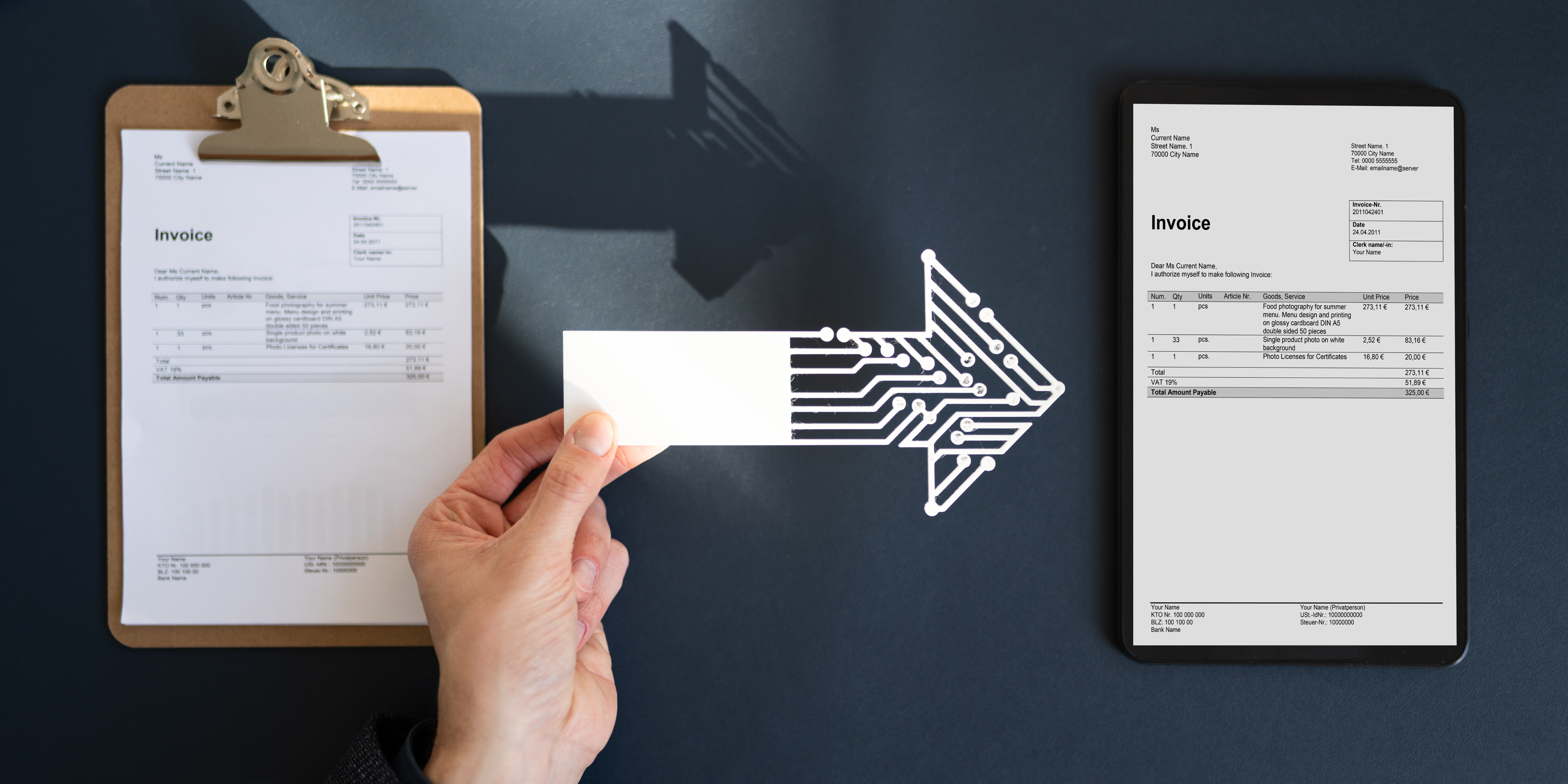
What exactly is factura-e?
The factura-e is a digital invoice with full legal and fiscal validity equivalent to a paper invoice. For an electronic invoice to be valid it must meet a series of technical and legal requirements:
It must be generated in a structured format, such as Facturae (XML).
It must be electronically signed with a recognised digital certificate.
It must guarantee the authenticity of origin and the integrity of content.
It must be retained for the legally required period.
Is an invoice sent by email the same as a factura-e?
No. Many companies believe that sending a PDF invoice by email already counts as electronic invoicing, but that is not the case. For it to be considered a true factura-e, it must meet the structured format requirements and carry a digital signature.
Is factura-e mandatory?
Yes, and it will become increasingly so:
Since 2015 it has been mandatory for invoicing to Public Administrations.
With the entry into force of the Ley Crea y Crece, factura-e will be mandatory for all companies and self-employed workers in B2B transactions (between businesses), according to the following schedule:
Companies with annual turnover above 8 million euros: mandatory from 2025 onwards.
All other companies and self-employed workers: deadline until 2026.
Failing to adapt in time will entail legal risks and operational problems with clients and suppliers.
What are the advantages of factura-e?
Adopting factura-e not only responds to a regulatory obligation, but also offers clear benefits for companies:
Cost savings: less paper, less ink, fewer physical shipments.
Agility: reduced time for issuance, delivery and collection.
Automation: integration with accounting software and ERP systems.
Greater control and traceability: better tracking of issued and received invoices.
Reduction of human errors.
Improved relationships with clients and suppliers.
Regulatory compliance and greater fiscal transparency.
What does a company need to issue factura-e?
To start issuing factura-e, a company must have:
A valid digital certificate, issued by a recognised certification authority.
Software compatible with invoicing in the Facturae format (typically XML) that allows invoices to be digitally signed.
Connectivity with third-party systems (clients, public platforms, etc.) where required.
Digital storage systems that guarantee the retention and accessibility of invoices for at least 4 years, or 6 years if they have fiscal relevance.
What happens if I don't adapt in time?
Failing to comply with the obligation to issue electronic invoices may result in:
Financial penalties for regulatory non-compliance.
Loss of clients who only accept factura-e.
Operational and administrative problems due to incompatibility with other systems.
Loss of competitiveness compared to companies that have already automated their processes.
The factura-e is not the future: it is the present. Companies that still work with paper invoices or unsigned PDF files must take the step as soon as possible. It is not only about avoiding penalties or complying with the law, but about improving efficiency, reducing errors and modernising business management at every level. The sooner you adapt your invoicing systems to the new regulations, the easier it will be to integrate into the digital ecosystem that will shape the direction of the coming years.