Goodbye paper: why the time has come to digitize invoices
In 2025, thousands of companies in Spain still print, stamp and file paper invoices. And it is not just an efficiency or sustainability problem… it is also a legal matter.
Digitization is no longer a trend: it is an obligation.
And if you have not yet started to digitize invoices, this article is for you.
🔎 What is happening with invoicing in Spain?
Since the entry into force of Law 18/2022 on the Creation and Growth of Companies (the well-known "Crea y Crece" Law), all companies and self-employed workers must prepare to issue invoices exclusively in electronic format for B2B relationships.
📆 Expected deadlines (from the publication of the technical regulation in 2025):
Companies with turnover > €8 million: 1 year
Other companies and self-employed: 2 years
This means that in 2026, digitizing invoices will be mandatory for everyone.
📊 How are Spanish companies doing?
Although the law is advancing, the reality is still divided:
🔴 86% of Spanish SMEs do not use electronic invoicing
🟡 79% of self-employed workers do not know how to start digitizing their invoices
🟢 Companies that already do it have achieved:
Savings of up to €6 per invoice
Reduction of collection times by up to 50%
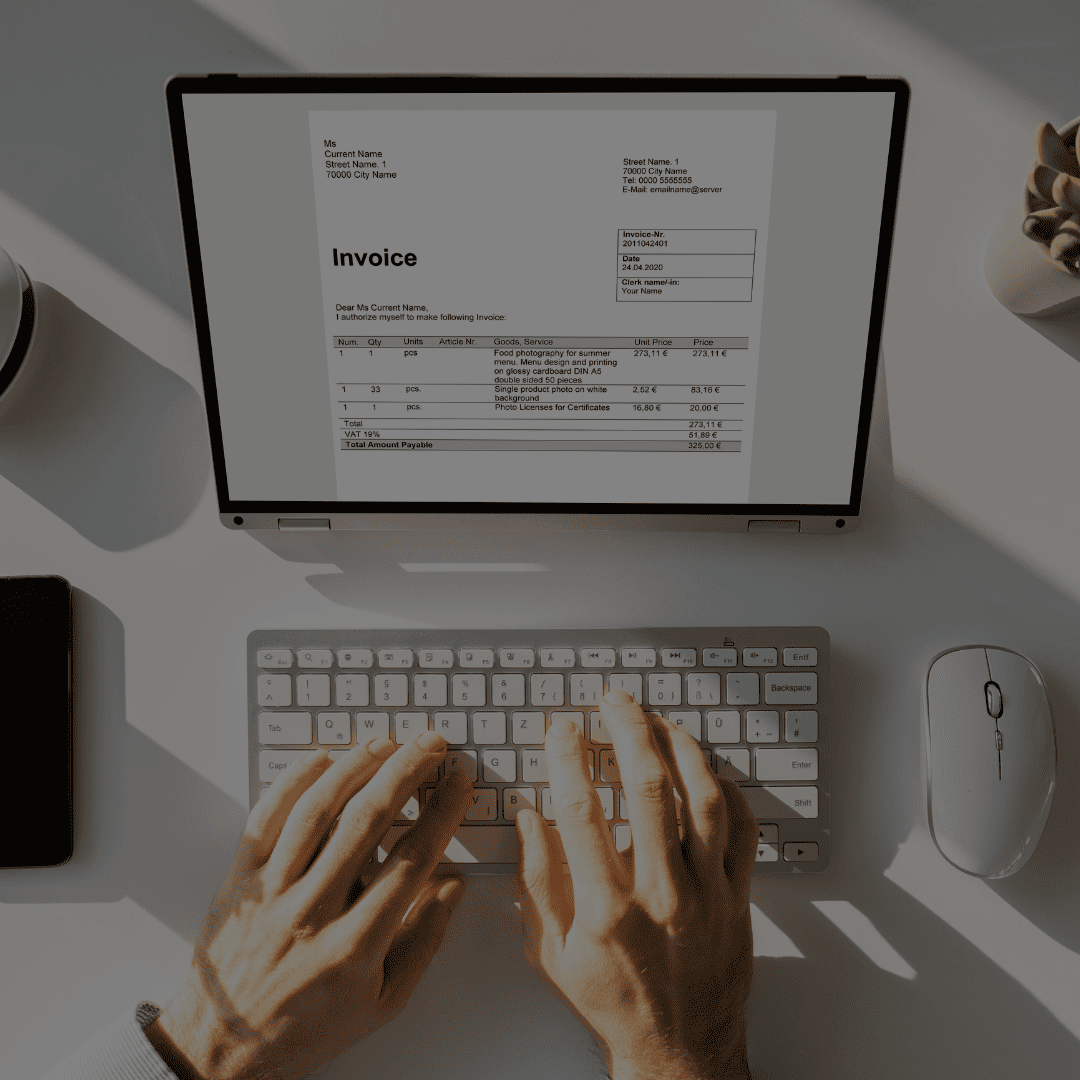
🌱 Real benefits of digitizing invoices
Immediate financial savings: In 2023, Spain saved more than 4.3 billion euros just by digitizing the invoicing process.
Time savings
- Invoices sent automatically.
-
End of copy-paste errors.
-
Quick access from anywhere.
Environmental commitment: Thanks to electronic invoicing, in 2023 the felling of more than 31,000 pine trees was avoided. Digitizing invoices also takes care of the planet.
Fewer unpaid invoices and more control
-
Real-time tracking of the status of each invoice.
-
Read and due-date notifications.
-
Faster collections and better financial planning.
What do you need to digitize invoices legally?
Digitizing invoices is not just about issuing them in PDF format or sending them by email. To comply with current Spanish regulations and adapt to the future mandatory electronic invoicing between companies (B2B), there are a number of technical and legal requirements that businesses must take into account. The main ones are explained below:
1. Use software compatible with the required structured format (Facturae)
Law 18/2022 on the Creation and Growth of Companies establishes that electronic invoices must be generated in a structured format that allows automated reading, such as the Facturae format, promoted by the Ministry of Economic Affairs and Digital Transformation.
ERPCloud, for example, incorporates native compatibility with Facturae, which allows issuing valid invoices both for relationships between companies and for working with public bodies, thus complying with the technical requirements demanded by the Administration.
2. Incorporate advanced electronic signature
All electronic invoices must include a digital signature that guarantees the authenticity of origin and the integrity of the content. This signature must be based on a recognized digital certificate, such as those issued by the FNMT or Camerfirma.
Systems such as ERPCloud automate this process, electronically signing invoices with the issuer's digital certificate before sending, which avoids errors and ensures regulatory compliance.
3. Ensure the conservation, integrity and accessibility of invoices
Under article 29 of the General Tax Law and the Invoicing Regulation (Royal Decree 1619/2012), electronic invoices must be kept for at least 4 years (6 if they relate to capital goods), guaranteeing:
-
Full and immediate access to their content
-
File readability
-
Data integrity
-
Export capability in the event of a request from the AEAT
ERPCloud automatically stores invoices in a secure cloud environment, with periodic backups, version control and encrypted access per authorized user.
4. Ensure the traceability of the invoicing process
Another key aspect of electronic invoicing is traceability. That is, the ability to verify each stage of the invoice lifecycle: issuance, sending, delivery, acceptance (or rejection) and posting.
ERPCloud allows real-time consultation of the status of each invoice, recording when it was sent, whether it has been read by the recipient and whether it has been validated or rejected. This traceability will be even more important when the future General Electronic Invoice Entry Point between companies, planned by the Ministry, comes into operation.
5. Be prepared to integrate with the national public platform
One of the most relevant aspects that will be included in the pending technical regulation is the creation of a State Interconnection Point (PIE), through which all B2B electronic invoices will be channeled. Companies will need to ensure that their software can integrate with this national infrastructure.
ERPCloud is designed to adapt to this future connection, as it follows the guidelines established by current regulations and the projections communicated by the Tax Agency and the Ministry of Economy.
In summary, digitizing invoices does not just mean issuing documents in PDF format, but complying with a set of legal, technical and organizational requirements that ensure their validity before third parties and the Tax Agency.
Implementing a solution such as ERPCloud allows companies to adapt right now to this new reality, ensuring regulatory compliance and improving their operational efficiency.